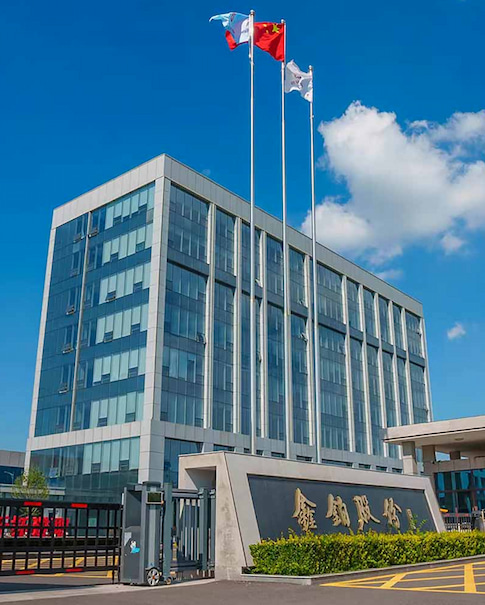

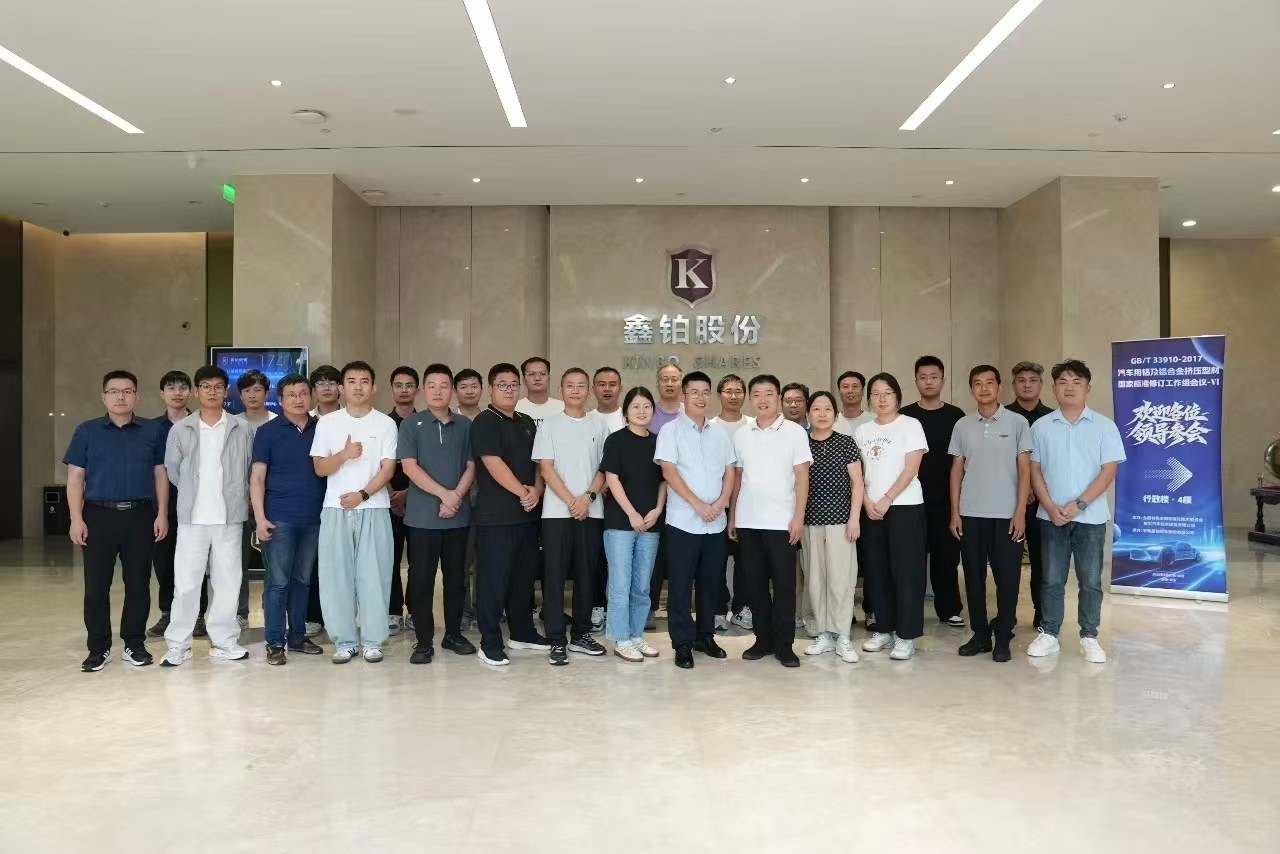
Vom 25. bis 26. August fand in Tianchang, Provinz Anhui, das sechste Arbeitstreffen zur Überarbeitung der nationalen Norm GB/T 33910 „Stranggepresste Profile aus Aluminium und Aluminiumlegierungen für Automobile“ statt. Gastgeber war die Anhui Xinbo Aluminum Co., Ltd.
Diskussionen über den Haupttext der Norm und mehr als zehn wichtige technische Themen brachten Vertreter des Nationalen Technischen Komitees für die Normung von Nichteisenmetallen, Automobilhersteller, Aluminiumprofilhersteller, Prüfinstitute und Forschungsinstitute zusammen, die sich in Chuzhou zu einem eingehenden Austausch und technischen Diskussionen trafen.
1. Warum ist eine nationale Normenüberarbeitungssitzung wichtig?
Die aktuelle Fassung von GB/T 33910, Strangpressprofile aus Aluminium und Aluminiumlegierungen für Automobile, wurde 2017 herausgegeben und 2018 in Kraft gesetzt. Sie enthält systematische Anforderungen, die die Produktklassifizierung, Maßtoleranzen, mechanischen Eigenschaften, Oberflächenqualität, Korrosionsbeständigkeit und andere wichtige Aspekte abdecken.
Dieser Trend, der durch das rasante Wachstum von Fahrzeugen mit alternativen Antrieben und das kontinuierliche Bestreben nach Leichtbau im Automobilbereich bedingt ist, stellt höhere Anforderungen sowohl an die Materialeigenschaften als auch an die Normen, die diese regeln, da Aluminiumprofile zunehmend in Schlüsselkomponenten wie Karosseriestrukturen, Stoßfängerträgern und Batterieträgern eingesetzt werden.
Fragen wie die Klassifizierung von Produkten, die Anwendungsmöglichkeiten von recyceltem Aluminium und die Bewertung von Korrosionsbeständigkeit und Ermüdungsverhalten müssen im Einklang mit den sich wandelnden Bedürfnissen der Industrie weiter geklärt werden.
Normen sind nicht nur der „Bauplan“ der Branche, sondern auch eine gemeinsame Sprache, die von Lieferanten und Kunden gleichermaßen verwendet wird.
2. Zweitägiges Programm mit Schwerpunkt auf mehr als zehn wichtigen technischen Themen
Tag Eins
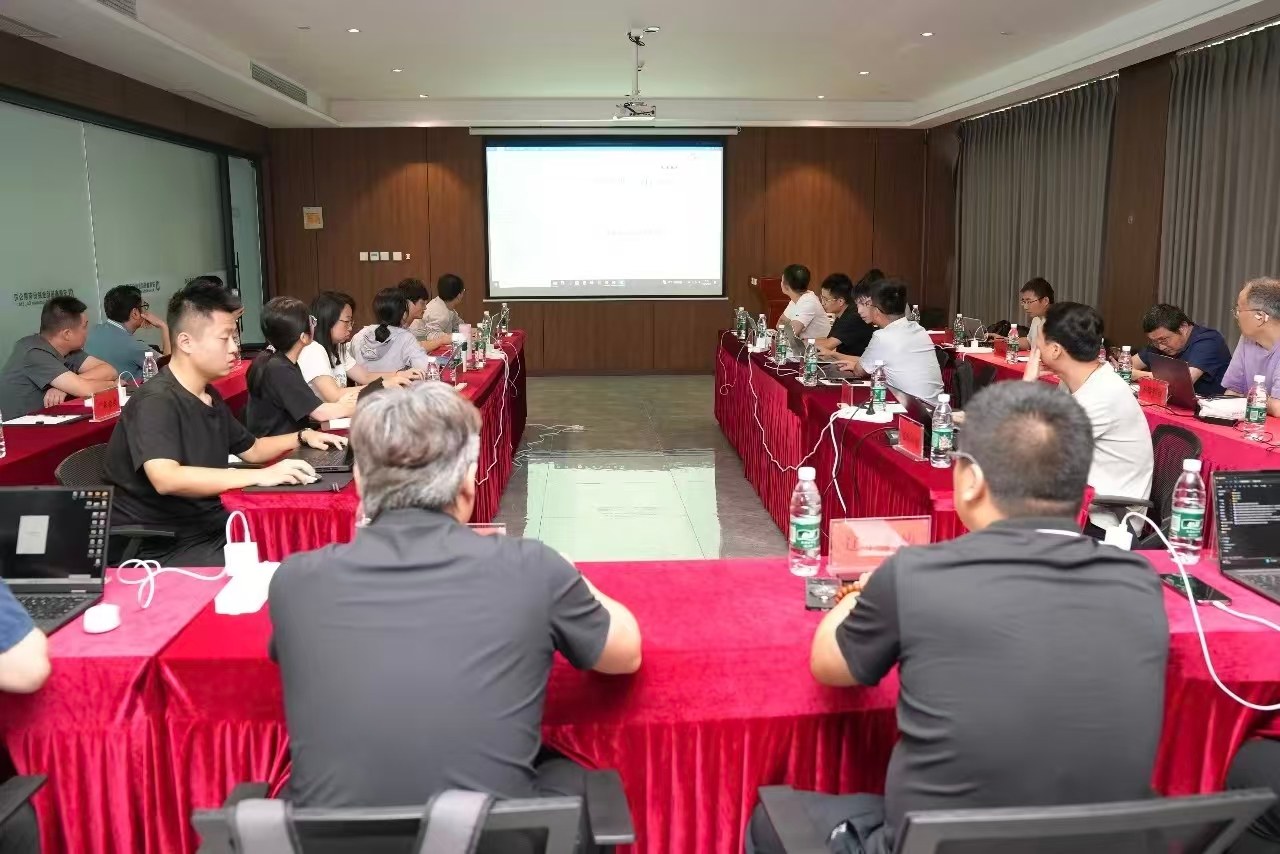
Am 25. August wurde das Treffen offiziell mit Grußworten von Vertretern von Xinbo und des Nationalen Technischen Komitees für die Normung von Nichteisenmetallen eröffnet, gefolgt von einem Bericht des Redaktionsteams über den Fortschritt der Normenrevision.
Der erste Tag konzentrierte sich auf eine breite Palette technischer Themen, darunter Produktklassifizierung, Maßtoleranzen, Schweißnahtanordnung, vergleichende Prüfungen von Primär- und Recyclingaluminium, Überarbeitungen der Anforderungen an die mechanischen Eigenschaften, Zugeigenschaften nach simulierter Ausbrennbehandlung, der Einfluss der Oberflächenrauheit auf die Ergebnisse von Salzsprühtests (CASS/NSS) sowie axiale Druckfestigkeit, laterale Druckfestigkeit, Ermüdungsfestigkeit und Biegefestigkeit von Aluminiumprofilen.
Tag 2
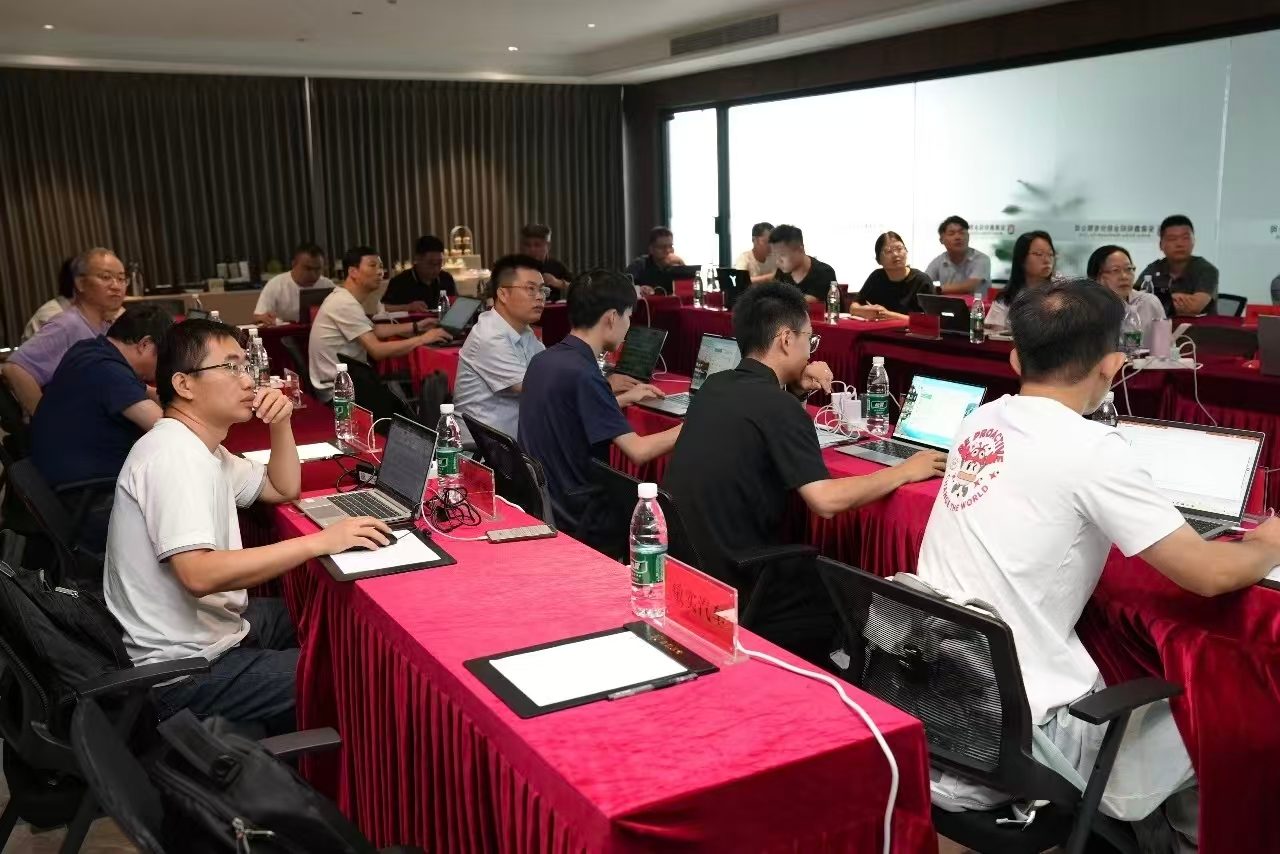
Am 26. August wurde die Diskussion von der „intrinsischen Leistungsfähigkeit“ auf die „Oberflächenqualität“ ausgeweitet. Es wurden nacheinander Präsentationen zu folgenden Themen gehalten: Zusammenfassung der gesammelten Korrosionsleistungsdaten, SWAAT-Korrosionsprüfung (Seawater Acetic Acid Accelerated Test), Einfluss der Extrusionskratztiefe auf die Salzsprühkorrosion und das Prüfprotokoll für die Salzsprühkorrosion. Anschließend wurden die Daten zur Beschichtungsleistung sowie die Optimierung des Haupttextes und der Anhänge hinsichtlich der Oberflächenqualität diskutiert. Danach wurden die technischen Anforderungen für die FDS-Prüfung (Flow Drill Screw), die Schweißbarkeit und die Nietbarkeit vorgestellt. Die Anhänge zur Prozesssteuerung und zur Profilqualifizierung wurden ebenfalls präsentiert und vervollständigt.
Nach Abschluss der Sitzung überprüften und bestätigten die teilnehmenden Delegierten die in dieser Phase gefassten Beschlüsse und verkündeten und verteilten anschließend die Aufgaben für die nächste Phase.
3. Wichtigste Trends der Agenda: Recycling, Korrosion und Prozesskontrolle stehen im Mittelpunkt
Ein genauerer Blick auf die zweitägige Agenda offenbart drei besonders bemerkenswerte Richtungen.
I. Die „Koexistenz“ von Primär- und Recyclingaluminium
Mit dem zunehmenden Einsatz von recyceltem Aluminium in Automobilprofilen stellen Themen wie die Qualität der recycelten Barren, die Kontrolle der Legierungselemente und die Leistungskonstanz neue Herausforderungen dar, denen sich die Norm stellen muss. Die aufeinanderfolgende Durchführung zweier Testreihen zeigt, dass dies keine Option mehr, sondern industrielle Realität ist.
II. Detailliertere Charakterisierung des Korrosionsverhaltens
Mehrere Salzsprühtests – darunter CASS, NSS und SWAAT – werden parallel durchgeführt. Die Forschung untersucht kontinuierlich mikroskopische Details, die die Korrosionsbeständigkeit beeinflussen, von der Oberflächenrauheit bis zur Tiefe von Extrusionskratzern. Dies wirkt sich direkt auf die Haltbarkeit und die Lebensdauer von Karosserieteilen aus.
III. Die „neuen Standards“ für Materialeigenschaften
Die zunehmend detaillierten und strengen Anforderungen an die mechanischen Eigenschaften, das Druckverhalten und das Biegeverhalten zeigen, dass die Norm nicht nur neue Anforderungen an Automobilprofile definiert, sondern auch die grundlegende Sicherheitsgrundlage für Automobile neu interpretiert.
4. Xinbo leistet einen Beitrag zur Entwicklung des nationalen Standards
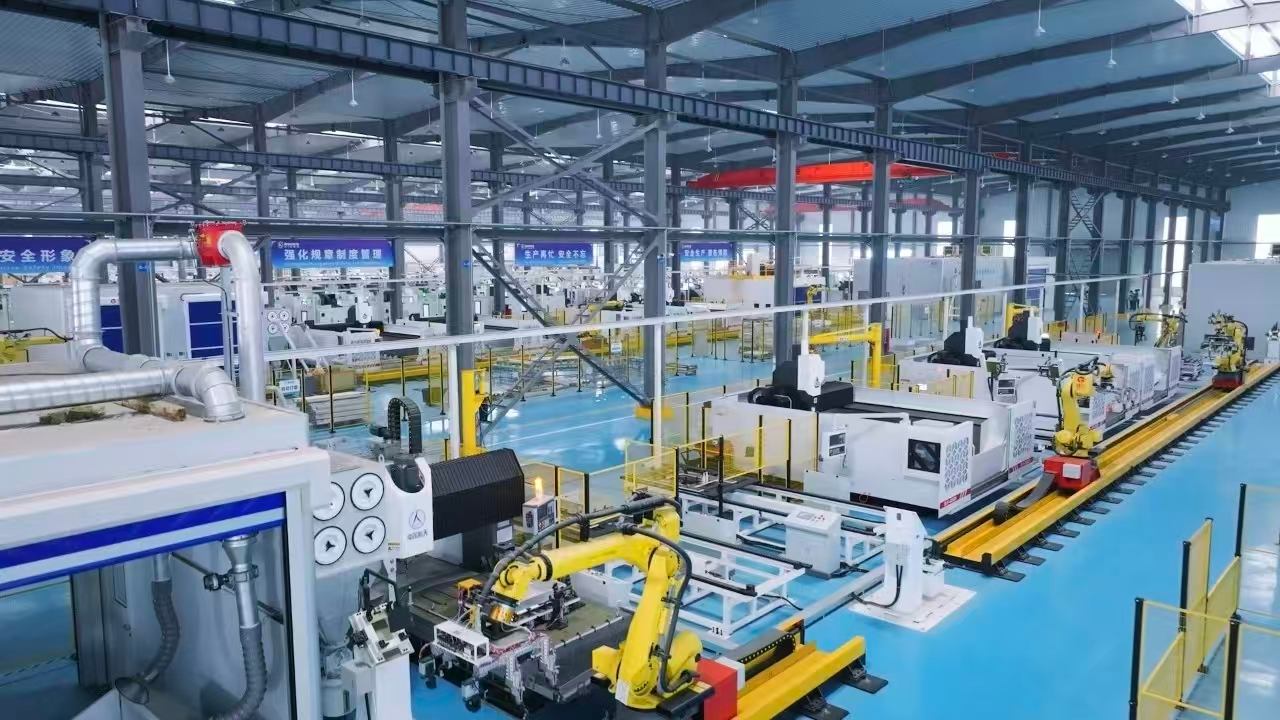
Xinbo, ein führendes Unternehmen der chinesischen Aluminium-Extrusionsindustrie, ist intensiv in Forschung und Entwicklung, Produktion und Vertrieb von Teilen für Elektrofahrzeuge, Aluminiumrahmen für Solaranlagen, Recyclingaluminium und Aluminiumprodukten tätig. Mit umfassenden Kompetenzen, die von der Legierungsentwicklung bis zur Fertigung von Baugruppen reichen, hat sich Xinbo aktiv an der Überarbeitung der Norm GB/T 33910 beteiligt.
Von der Mitwirkung an der Normenerstellung bis zur Ausrichtung des Überarbeitungstreffens bringt Xinbo weiterhin seine Fertigungserfahrung aus erster Hand in den Normungsprozess ein und setzt den Branchenkonsens in die Produktionspraxis um. Der reibungslose Ablauf des zweitägigen Treffens wurde zudem durch eine sorgfältige Veranstaltungsorganisation und umfassende Logistikleistungen unterstützt.
Schlussbemerkungen
Der Wert eines Standards liegt darin, gemeinsame Branchenerfahrungen in Regeln umzuwandeln, die implementiert, gemessen und überprüft werden können.
Nach zwei Tagen und Diskussionen zu mehr als zehn zentralen Themen erreichte das sechste Revisionstreffen von GB/T 33910 einen wichtigen Meilenstein. Die Teilnehmer bestätigten die in dieser Phase getroffenen Entscheidungen und präzisierten die Aufgaben für die nächste Phase der Revision.
Auch in Zukunft werden alle beteiligten Organisationen mit Daten als Grundlage und praktischer Anwendung als Leitfaden arbeiten, um diesen nationalen Standard weiter zu verfeinern, der sowohl den Leichtbau im Automobilbereich als auch die qualitative Entwicklung der Aluminiumverarbeitungsindustrie unterstützt.
Eine Nachricht hinterlassen
Heim
PRODUKTE
Kontakt