
Da neue Energiefahrzeuge heutzutage weltweit auf größere Reichweiten abzielen, hat die damit einhergehende Erhöhung der Batteriekapazität das Gesamtgewicht der Fahrzeuge deutlich erhöht. Bei Leergewichten von häufig über zwei Tonnen führt dies nicht nur zu einem höheren Energieverbrauch, sondern beeinträchtigt auch die Fahrdynamik und belastet Reifen und Fahrwerk stärker. Unter schwierigen Straßenbedingungen können dadurch sogar Risiken wie Fahrzeuginstabilität oder Überschlagsgefahr verstärkt werden.
Die Reduzierung des Fahrzeuggewichts bei gleichzeitiger Gewährleistung der Karosseriestrukturfestigkeit und Crashsicherheit ist zu einer unumgänglichen Herausforderung in der Forschung und Entwicklung von Elektrofahrzeugen geworden und trägt maßgeblich zur Wettbewerbsfähigkeit der Produkte bei. Heute werden wir anhand eines Crash-Trägers veranschaulichen, wie Elektrofahrzeuge Gewicht einsparen können, ohne dabei strenge Sicherheitsstandards zu vernachlässigen.
Heute werden wir einen Stoßfängerträger als Beispiel verwenden, um zu sehen, wie NEVs eine Gewichtsreduzierung erreichen, ohne die Sicherheitsgrenzen zu überschreiten.
1. Hochfeste und zähe Aluminiumlegierung KS370
KS370 ist eine hochfeste und zähe Aluminiumlegierung der 6xxx-Serie, die vom Xinbo Alloy Materials Research Institute eigenständig entwickelt wurde. Sie findet hauptsächlich Anwendung in Strukturbauteilen wie Stoßfängerträgern für Elektrofahrzeuge sowie in den Seitenschienen von Batterieträgern für Nutzfahrzeuge und schwere Lkw. Im Rahmen der Entwicklung eines bestimmten Stoßfängerträgers diente die weit verbreitete Aluminiumlegierung 6082-T6 für Automobilstrukturbauteile als Vergleichsreferenz.
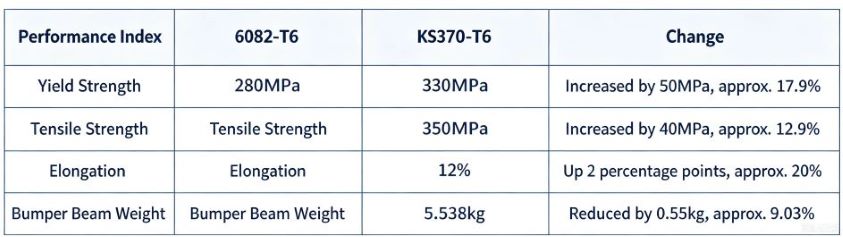
Alle Testdaten werden von einem unabhängigen Drittlabor auf Basis kundenspezifischer Produkte gemessen und ausgegeben.
A: Die Streckgrenze erhöhte sich um ca. 17,9 %.
Die Streckgrenze definiert den kritischen Punkt, an dem ein Werkstoff von elastischer zu irreversibler plastischer Verformung übergeht. Der Anstieg von 280 MPa auf 330 MPa zeigt, dass KS370 unter identischen Querschnitts- und Belastungsbedingungen höhere Lasten aufnehmen kann, bevor es zu einer signifikanten plastischen Verformung kommt. Diese zusätzliche Leistungsfähigkeit kann genutzt werden, um die Wandstärke und das Querschnittsprofil zu optimieren und so den Materialverbrauch zu reduzieren.
Diese Verbesserung der mechanischen Eigenschaften bildet die materielle Grundlage für die Gewichtsreduzierung des Stoßfängerträgers.
B: Die Zugfestigkeit erhöhte sich um ca. 12,9 %.
Die Zugfestigkeit gibt die maximale Spannung an, die ein Material unter Zugbelastung aushalten kann.
Die Erhöhung der Festigkeit von 310 MPa auf 350 MPa stellt eine weitere Verbesserung der maximalen Tragfähigkeit des Materials dar. Dies trägt dazu bei, Materialversagen unter komplexen Belastungszuständen während eines Aufpralls zu verzögern. Diese Festigkeitssteigerung um 12,9 % lässt sich jedoch nicht direkt als eine Verbesserung der Gesamtsicherheit des Fahrzeugs um 12,9 % interpretieren. Das Crashverhalten des gesamten Fahrzeugs wird auch durch die Querschnittsgestaltung, die Fügemethoden, den Verformungsverlauf in der Knautschzone und die Karosseriestruktur beeinflusst.
C: Die Dehnung erhöhte sich von 10 % auf 12 %.
Generell nimmt die Plastizität eines Materials mit steigender Festigkeit ab. Bei KS370 erhöht sich die Dehnung parallel zur Festigkeitssteigerung von 10 % auf 12 %, was beweist, dass das Material auch bei großen Verformungen eine hervorragende Plastizität beibehält.
Bei Stoßfängerträgern bedeutet diese Eigenschaft, dass das Material nicht nur eine hohe Tragfähigkeit aufweist, sondern auch eine anhaltende, progressive Verformung unter Belastung ermöglicht. Dadurch wird das Risiko vorzeitiger Rissbildung oder plötzlichen Bruchs verringert.
2. Warum kann KS370, ein stärkeres Material, gleichzeitig leichter sein?
Sowohl KS370 als auch 6082 sind Aluminiumlegierungen, und der Dichteunterschied zwischen ihnen ist nicht die Hauptursache für die Gewichtsreduzierung in diesem Projekt.
Die eigentliche Logik der Gewichtsreduzierung ist folgende: verbesserte Materialfestigkeit → ermöglicht Optimierung von Querschnitt und Wandstärke → reduziert den Materialverbrauch → senkt das Bauteilgewicht.
Bei diesem Projekt wurde der Stoßfängerträger von 6,088 kg auf 5,538 kg reduziert, eine Verringerung um 0,55 kg, was einer Gewichtsreduzierung von etwa 9,03 % entspricht.
Bemerkenswerterweise nahm die Dehnung von KS370 trotz der erhöhten Festigkeit nicht ab, wodurch ausreichend Plastizität erhalten blieb, um erhebliche Verformungen bei Kollisionen aufzunehmen. Dies beweist, dass es sich nicht um einen simplen Ansatz handelt, bei dem Festigkeit durch Gewicht ersetzt wird, sondern vielmehr um eine Strategie, die die Festigkeit erhöht und gleichzeitig die Plastizität beibehält und die verbesserten Materialeigenschaften nutzt, um eine Gewichtsreduzierung der Struktur zu erreichen.
3. Wie verhält sich der gewichtsreduzierte Stoßfängerträger?
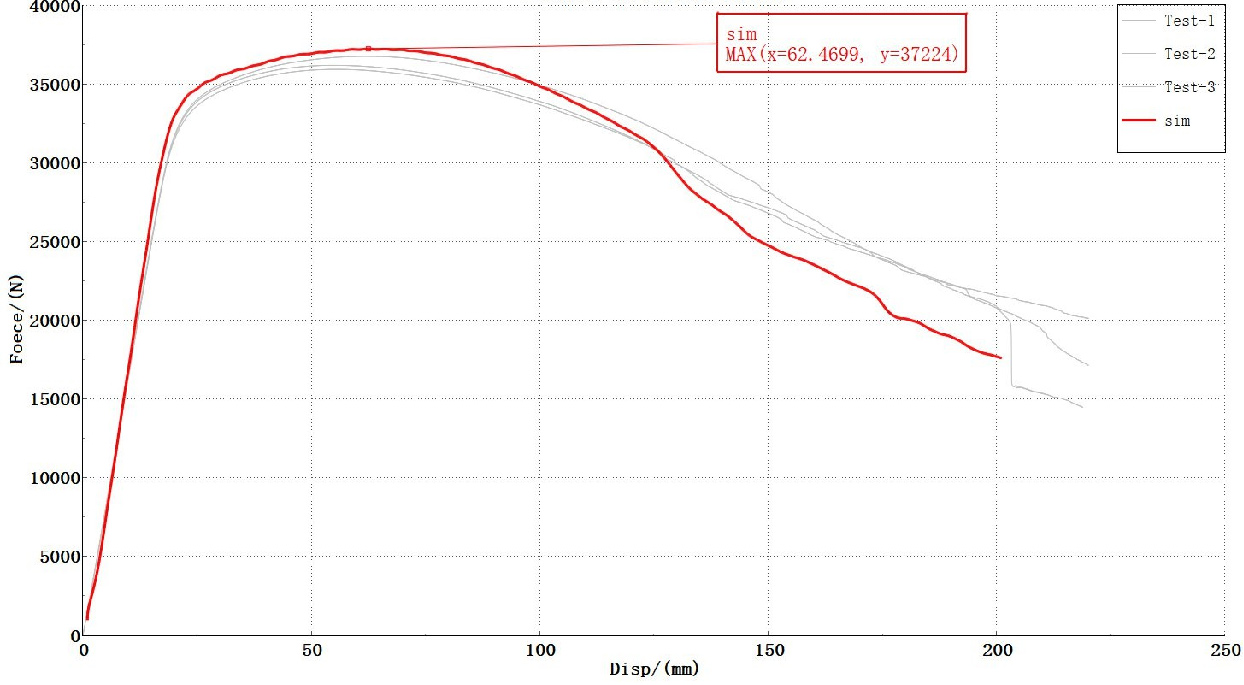
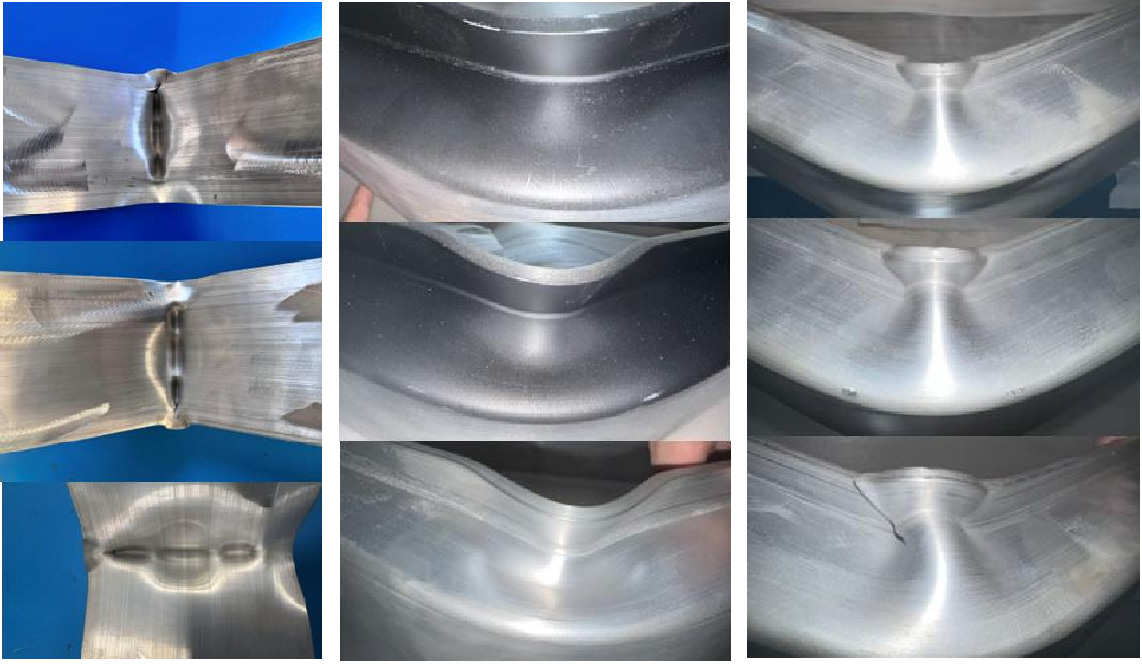
Der Stoßfängerträger KS370 wurde quasistatischen Dreipunkt-Biegeversuchen unterzogen. Bei einem Eindringkörper mit 254 mm Durchmesser und einer Spannweite von 880 mm erreichte die Probe eine Belastungsverschiebung von 220 mm, ohne dass Risse auftraten. Die maximale Last betrug 37,224 kN und übertraf damit deutlich die übliche OEM-Anforderung von ≥25 kN für aktuelle Stoßfängerträger des Typs 6082.
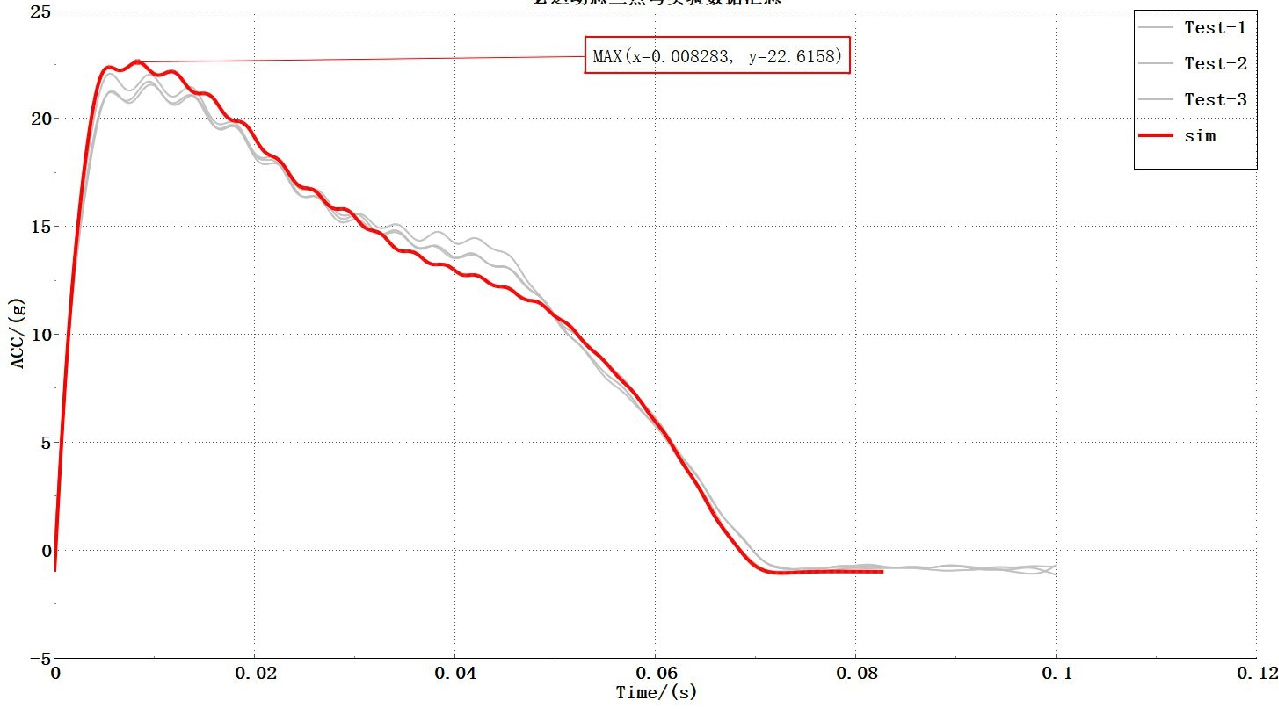
Bei dynamischen Biegeversuchen zeigten die Proben erneut keine Anzeichen von eindringenden Rissen, wobei die maximale Beschleunigung 22,6158 g erreichte.
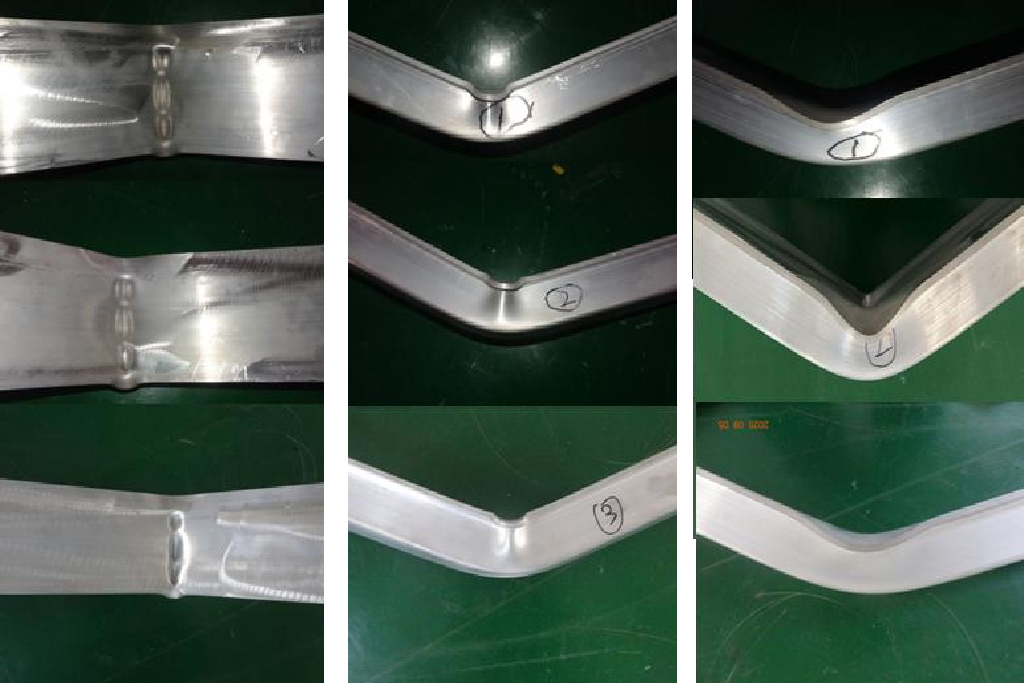
Diese Tests bestätigen, dass die gewichtsreduzierten Proben auch unter großen Verformungen eine ausgezeichnete Tragfähigkeit und strukturelle Integrität aufweisen.
4. Was bedeutet eine Gewichtsreduktion von 0,55 kg?
Es ist wichtig, eine objektive Perspektive zu wahren: Jeder Stoßfängerträger reduziert das Gewicht um 0,55 kg. Bei einem fast 2 Tonnen schweren Elektrofahrzeug entspricht dies lediglich etwa 0,03 % des Gesamtgewichts. Allein durch die Verwendung dieses einen Trägers lassen sich kaum spürbare Veränderungen des Gesamtgewichts oder des Energieverbrauchs erzielen.
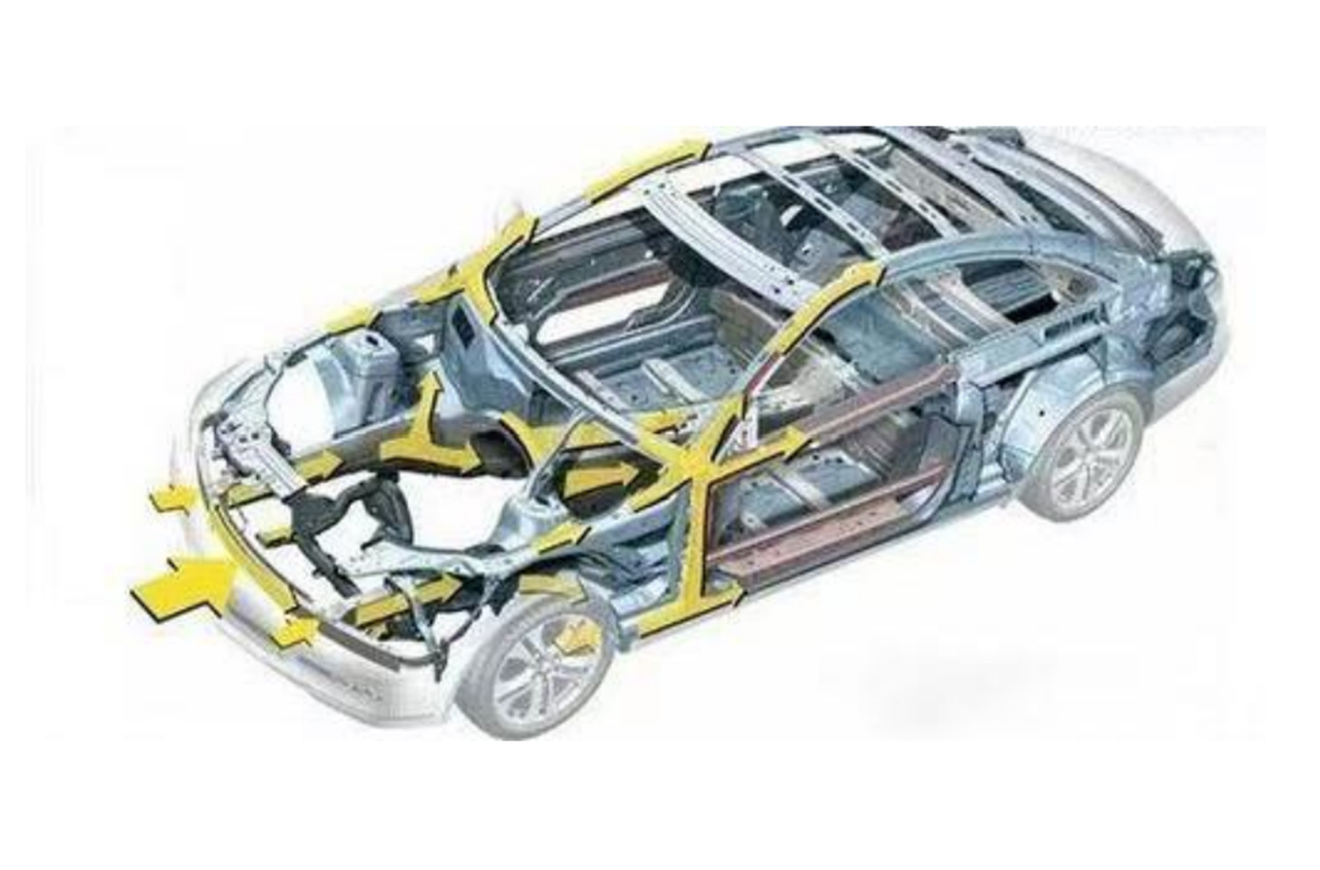
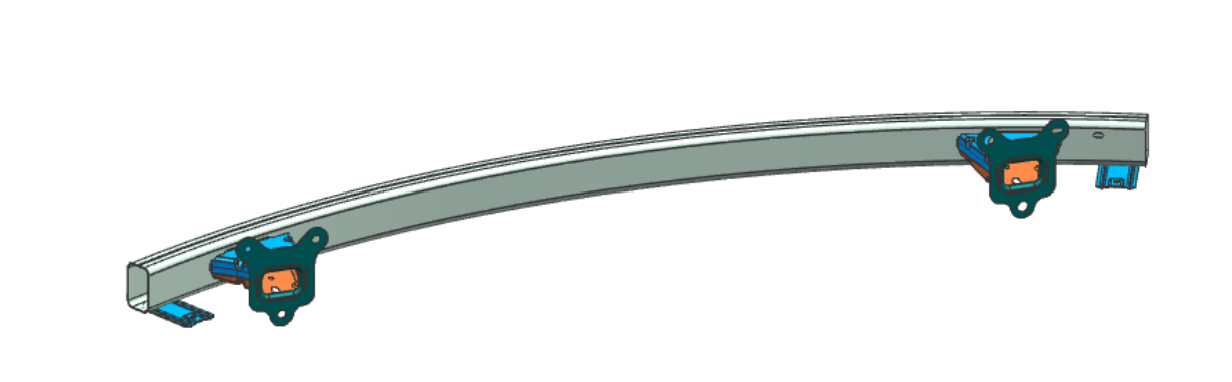
Der Wert, der durch diesen 0,55 kg schweren Schnitt entsteht, lässt sich jedoch nicht allein an der Zahl messen.
★ Wert 1 | Validierung einer realisierbaren Lösung zur Gewichtsreduktion
KS370 beweist, dass hochfeste Aluminiumlegierungen der 6xxx-Serie optimierte Querschnittsprofile und Wandstärken für sicherheitsrelevante Strukturbauteile ermöglichen.
★ Wert 2 | Kumulierter inkrementeller Effekt durch schrittweise Gewichtszunahme
Reduzierung Wenn diese Legierung auch für Stoßfängerträger vorne/hinten, Batterieträgerseitenträger, Schwellerträger und andere tragende Teile verwendet wird, führen die gesamten Gewichtseinsparungen insgesamt zu spürbaren Verbesserungen der Energieeffizienz, der Reichweite und des Fahrverhaltens von NEVs.
★ Wert 3 | Leichtbau und Sicherheit schließen sich nicht aus
Der eigentliche Wert liegt nicht nur in der Gewichtsreduzierung um 0,55 kg, sondern darin, dass der Stoßfängerträger seine Tragfähigkeit und sein Verformungsverhalten unter den bestehenden Testbedingungen auch nach einer Gewichtsreduzierung von etwa 9 % beibehält.
Kernschlussfolgerung
Der Wert von KS370 liegt nicht in der direkten Umwandlung der 0,55 kg Gewichtsersparnis eines einzelnen Stoßfängerträgers in eine größere Reichweite. Vielmehr validiert es eine reproduzierbare Leichtbaumethodik: die Nutzung erhöhter Festigkeit und Dehnung, um Gewichtseinsparungspotenziale für sicherheitskritische Strukturbauteile zu erschließen, und die Überprüfung des Trag- und Verformungsverhaltens der Leichtbauteile durch Bauteilprüfungen.
Dies spiegelt auch den Kern der Forschungs- und Entwicklungsarbeit des Xinbo Alloy Materials Research Institute wider, das sich seit langem intensiv mit hochfesten und zähen Aluminiumlegierungen beschäftigt: Leichtbau soll jeder Herausforderung standhalten.
5. Neue Materialien schaffen neue Möglichkeiten für den Leichtbau.
Anhand dieses einen Stoßfängerträgers bietet KS370 einen Einblick in eine einzelne Dimension dessen, was nötig ist, um ein modernes Elektrofahrzeug leichter zu gestalten – aber das Gesamtbild ist viel größer.
Unterschiedliche Fahrzeugmodelle, Bauteile und Betriebsbedingungen stellen unterschiedliche Anforderungen an Festigkeit, Zähigkeit, Umformbarkeit und Fügeeigenschaften der Werkstoffe. KS400, entwickelt für höhere Leistungsanforderungen, hat die Forschungs- und Entwicklungsphase sowie die Pilotversuche abgeschlossen und steht kurz vor der Serienproduktion. Das Xinbo Alloy Materials Research Institute erweitert das Werkstoffsystem der KS-Serie auf weitere Strukturbauteile wie Schweller, Batterieträger und Hilfsrahmen.
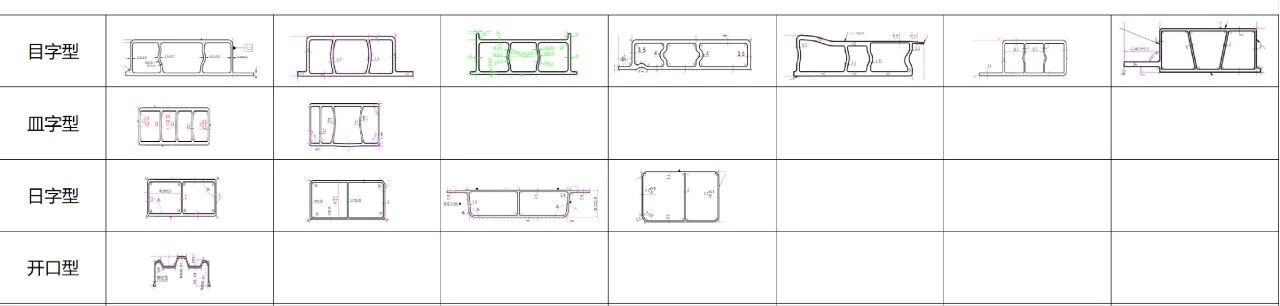
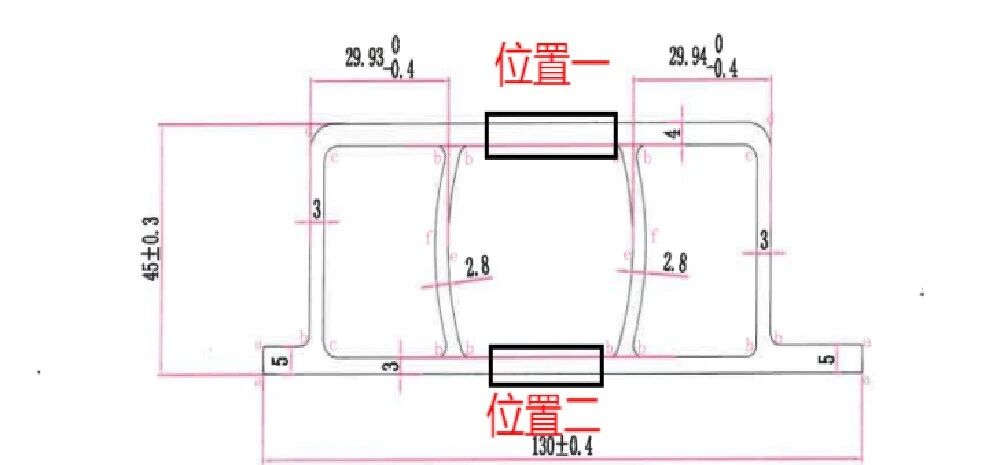
Querschnittsansichten verschiedener konventioneller Stoßfängerträgerstrukturen
Wirklich praktikabler Leichtbau muss vom Anwendungsszenario ausgehen und Materialforschung und -entwicklung, Konstruktion und Fertigungsprozesse parallel vorantreiben. Der letztendliche Nutzen eines Materials muss in realen Produkten validiert werden.
Leichtbau bedeutet nicht, das geringstmögliche Gewicht anzustreben, sondern ausreichende Festigkeit, Robustheit und Sicherheitsreserven beizubehalten und gleichzeitig eine Gewichtsreduzierung zu erreichen.
Über das Xinbo-Institut für Legierungswerkstoffforschung
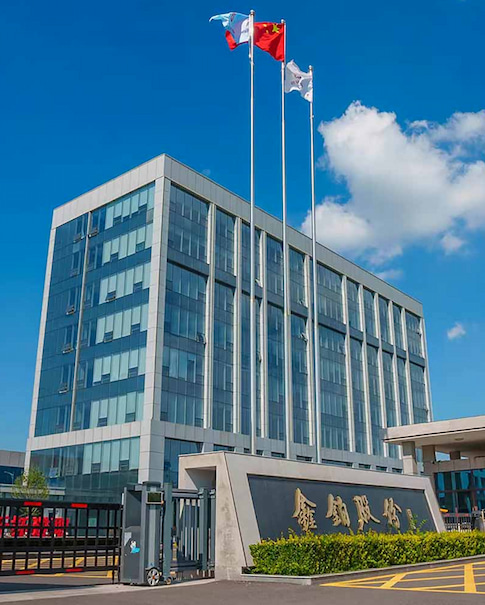
Das Chuzhou Xinbo Alloy Materials Research Institute (Xinbo-Forschungsinstitut) ist eine innovative Forschungs- und Entwicklungseinrichtung, die gemeinsam von der Xinbo Aluminum Co., Ltd. (003038.SZ), der Tianchang Tianchuang Technology Industry Development Co., Ltd. und weiteren Akteuren der Legierungswerkstoff-Wertschöpfungskette gegründet wurde. Das Institut konzentriert sich auf die Forschung, Entwicklung und Anwendung von Hochleistungslegierungen wie Aluminium und Magnesium. In enger Zusammenarbeit mit Fahrzeugherstellern, Automobilzulieferern, Universitäten und Industriepartnern bietet das Institut maßgeschneiderte Forschung und Entwicklung von Hochleistungs-Aluminiumlegierungen, Lösungen für Materialersatz und Leichtbau, Materialprüfung, Prototypenfertigung und Leistungsprüfung von Bauteilen.
Wenn Ihr Team sich mit der Verbesserung von Legierungsmaterialien, Leichtbaukonstruktionen oder der Validierung von Bauteilen beschäftigt, laden wir Sie ein, Kontakt mit uns aufzunehmen. Gemeinsam können wir neue Lösungen entwickeln und die Grenzen des Machbaren erweitern.
Eine Nachricht hinterlassen
Heim
PRODUKTE
Kontakt